Argentina is closing an unusual climatic year marked by contrasting extremes: exceptionally heavy precipitation and floods during winter, followed by a spring with below-average temperatures and the emergence of thermal conditions in the equatorial Pacific consistent with the onset of La Nina. Meteorologists now describe the current situation not as a classic, intense La Nina event but as a combination of higher-than-normal temperatures across much of the country and an irregular, localized rainfall pattern. That pattern so far has manifested largely through anomalously warm readings rather than through a widespread, sustained reduction in precipitation.
Forecasters expect elevated temperatures to persist through January and February. Those warm conditions will form the backdrop for the coming summer months and influence how rainfall deficits or surpluses affect agriculture and water resources. The meteorological consensus is that, despite the presence of La Nina-compatible thermal signatures in the Pacific, the event does not meet the criteria for a severe La Nina. As a result, the season ahead is projected to have scattered, uneven precipitation rather than a uniform, prolonged dry spell across the country.
One consulting meteorologist characterizes the upcoming season as a “beach summer,” meaning a period with generally limited rainfall from late December through late January – effectively the driest window of the season. For February, accumulated precipitation is forecast to be modest in many regions: on the order of 50 to 75 millimeters in broad swathes of the country. These totals are generally below the seasonal water requirements for key crops, raising concern among agronomists and producers. Moreover, current outlooks do not indicate that normal rainfall volumes will return in March and April; those months are not expected to bring a meaningful recovery in precipitation.
Despite these observed and forecasted shortfalls, projections do not currently point to the formation of extensive areas suffering severe drought. The expected rainfall pattern is uneven and localized; some districts may manage with minimal damage, while others could be pushed toward stress conditions. The picture overall is one of heterogeneity: a national climate signal of higher temperatures and interrupted rainfall, combined with significant spatial differences in moisture availability and crop vulnerability.
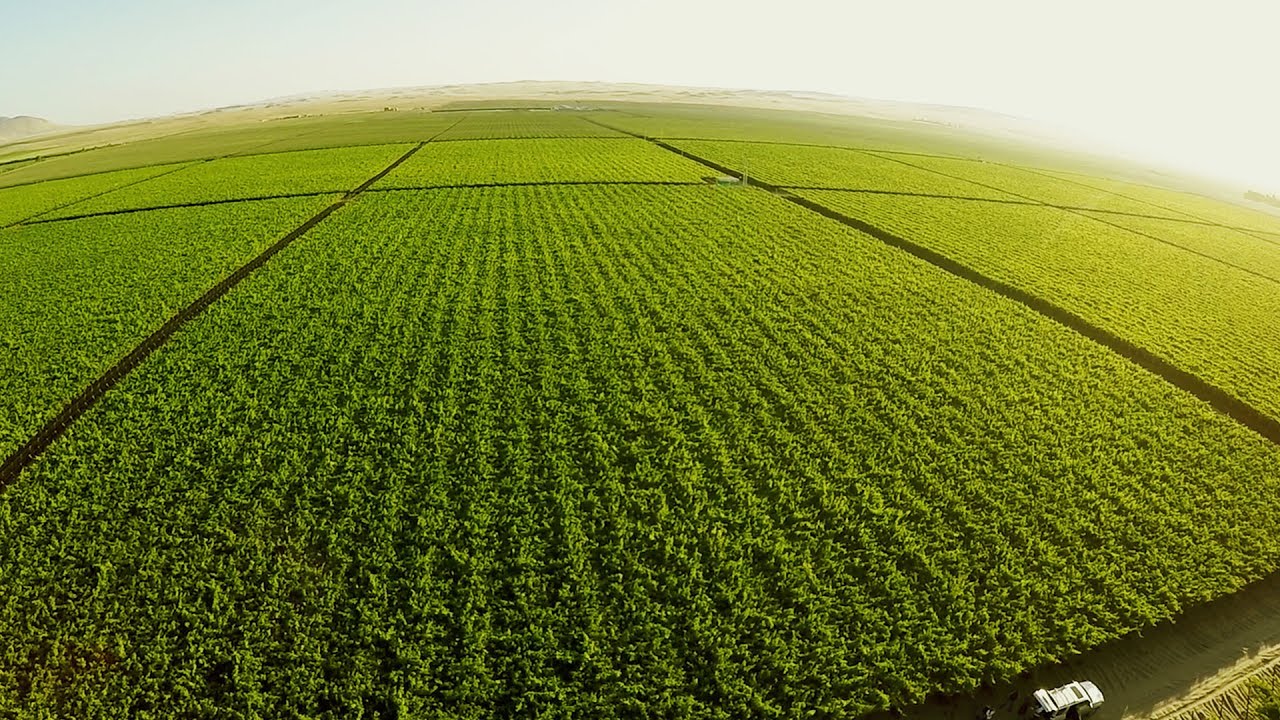
This patchwork of moisture conditions is particularly important for Argentina’s agricultural interior. The western agricultural provinces – including La Pampa, San Luis and parts of Cordoba – are already operating under tight soil moisture balances. In those areas, a shortfall of about 100 millimeters of rainfall in the near term would heighten the risk that the strong, drying conditions will materially reduce yields of coarse grains such as corn and sunflower. Producers in these regions are watching short-range forecasts closely because timely, concentrated rains during critical growth stages are essential to maintain yield potential.
At the national level, expectations for grain yields remain mixed but cautiously optimistic. Experts do not foresee coarse-grain yields exceeding long-term trends; instead, aggregate production is likely to fall within a range of good to very good, assuming that localized issues do not become widespread. That national outlook masks considerable regional variability: some localities may find themselves close to major loss thresholds, while others should escape with minimal damage thanks to better soil moisture, microclimates or timely precipitation.
The recent sequence of weather – extreme winter rains and floods followed by cooler-than-normal spring conditions – has complicated an already uncertain seasonal trajectory. Heavy winter precipitation produced severe flooding in certain basins and delayed some fieldwork. Those impacts, combined with the subsequent cool spring, created a mosaic of soil moisture conditions that set the stage for how crops will respond in the warmer months. Now, with thermal anomalies in the Pacific consistent with La Nina, the interplay between elevated temperatures and an uneven rainfall distribution will determine the near-term agricultural outcomes.
Meteorological teams emphasize the importance of localized monitoring and flexible management strategies. Farmers facing moisture stress in western production zones may need to adjust inputs or schedules to preserve yields if expected rains do not materialize. Conversely, regions that receive the scattered showers forecast could maintain or improve their prospects, provided temperatures do not cause excessive evaporative demand that would negate any short-term benefits from precipitation.
Water resource managers and agricultural advisors are preparing for a summer in which heat and uneven rainfall are the dominant characteristics. Reservoir levels, irrigation plans and contingency strategies for crop protection will depend on how precipitation unfolds in the coming weeks. The lack of an anticipated rapid recovery in March and April further highlights the need to prioritize short-term adaptation measures to reduce risk in the most vulnerable districts.
In summary, the current climatic signals for Argentina point to an atypical combination of factors: persistent above-normal temperatures through the early Southern Hemisphere summer, an expectation of limited and irregular rainfall concentrated in localized showers, and a Pacific pattern compatible with La Nina but not of severe magnitude. These conditions will create variable outcomes across the agricultural landscape: a national harvest that may be overall good or very good, coupled with pockets of severe stress where insufficient rain presses yields toward critical thresholds. Continuous monitoring and targeted responses at the local level will be essential to mitigate impacts where moisture deficits threaten production.